
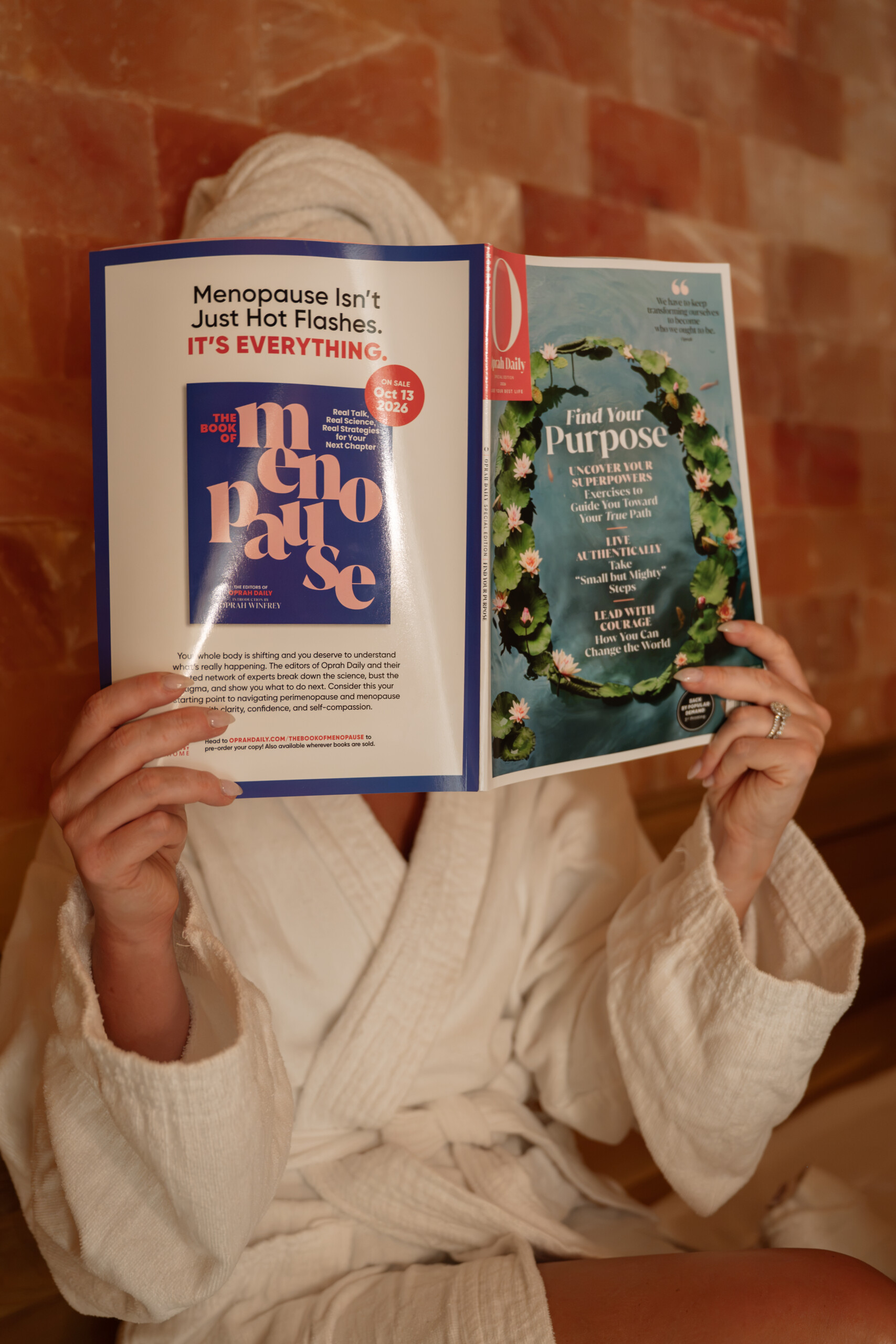
Menopause is something every woman deserves to understand, whether it’s decades away, happening right now, or already behind you. Here’s what happens to your body, what to look out for, and how to support yourself through every stage.
For a long time, menopause has been something women were expected to simply get through. It was rarely discussed openly, often misunderstood, and too frequently reduced to hot flashes and the end of menstruation.
But menopause is much more than that. It can influence everything from sleep, mood and energy to muscle strength, bone health, intimate wellness and the way we feel in our own bodies. Following Menopause Awareness Month, we continue with the opportunity to bring these conversations forward, challenge outdated perceptions and make women’s health information more accessible.
First, what exactly is menopause?
Menopause is a natural biological transition that marks the end of a woman’s reproductive years. It occurs when the ovaries gradually reduce their production of hormones, particularly estrogen, and menstrual periods eventually stop. Most women experience menopause between the ages of 45 and 55, although everyone’s experience is different. One of the most common misconceptions is that menopause happens overnight. In reality, there are three stages to understand.
Perimenopause: The transition
Perimenopause is the period leading up to menopause. It can begin several years before your final menstrual period, sometimes as early as your late thirties or early forties. During this time, estrogen and progesterone levels fluctuate, which can lead to changes in your menstrual cycle, sleep, mood, energy and overall well-being. You might notice irregular periods, heavier or lighter bleeding, hot flashes, night sweats, increased anxiety, difficulty concentrating or changes in your sleep. It’s also worth knowing that pregnancy is still possible during perimenopause.
Menopause: The milestone
Menopause is officially diagnosed after 12 consecutive months without a menstrual period, provided there isn’t another medical explanation. It’s a point in time rather than a stage that lasts for years. The hormonal changes leading up to it, however, can have a lasting impact on your health.
Postmenopause: Life after menopause
Postmenopause refers to every year following menopause. While some symptoms, such as hot flashes, may gradually become less frequent, others can continue or develop over time. Lower estrogen levels can affect bone density, vaginal and urinary health, muscle maintenance and cardiovascular health. This is why ongoing care and regular health assessments remain important long after your final period.
It’s not just hot flashes. What actually changes?
Every woman’s experience is different. Some experience very few symptoms, while others find the transition affects their everyday lives. Here are some of the changes worth knowing about:
Your sleep and energy. Night sweats, changes in hormone levels and other symptoms can make it harder to fall asleep or stay asleep. Then, over time, poor sleep can affect energy, concentration and emotional well-being.
Your mood and mental health. Hormonal fluctuations during perimenopause can contribute to anxiety, irritability, low mood and increased emotional sensitivity. Some women also experience brain fog, forgetfulness or difficulty concentrating. These experiences are real, and they deserve attention.
Your bones and muscles. Estrogen plays an important role in maintaining bone health. As estrogen levels decline, bone loss can accelerate, increasing the risk of osteoporosis. Changes in muscle mass and strength also make maintaining physical activity particularly important.
Your pelvic and intimate health. Lower estrogen levels can affect the tissues of the vagina, bladder and urinary tract. Vaginal dryness, irritation, discomfort during intimacy, urinary urgency and incontinence are all symptoms you may experience. These are not things you simply have to accept as part of getting older.
Your skin and body composition. Changes in collagen, skin hydration and elasticity can influence how your skin looks and feels. Some women also notice changes in where they carry weight, particularly around their abdomen.
The important thing to remember? Not every symptom is necessarily caused by menopause. If something feels different, persistent or concerning, it’s worth speaking with your healthcare provider rather than assuming hormones are responsible.
What can you do to support your body?
Here’s where we want to shift the conversation. Rather than waiting until symptoms become disruptive, there are meaningful ways to support your health throughout adulthood.
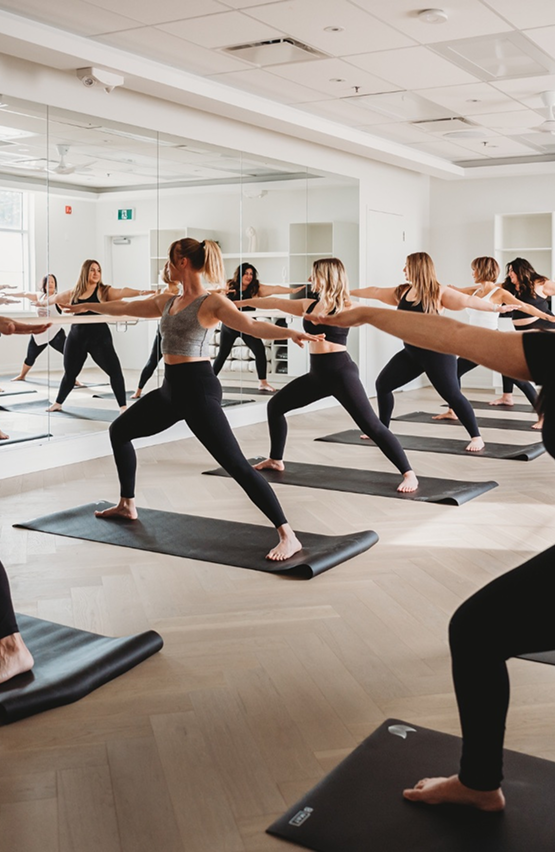
1. Make strength training part of your routine. If there’s one habit worth building early, it’s strength training. As estrogen levels decline, maintaining muscle mass, strength and bone density becomes increasingly important. Think weight training, resistance exercises, Pilates and functional strength work. A combination of resistance training and weight-bearing movement, such as walking, can be particularly beneficial. You don’t have to lift heavy weights or spend hours in the gym to begin. Consistency, appropriate progression and finding movement you enjoy are what matter.
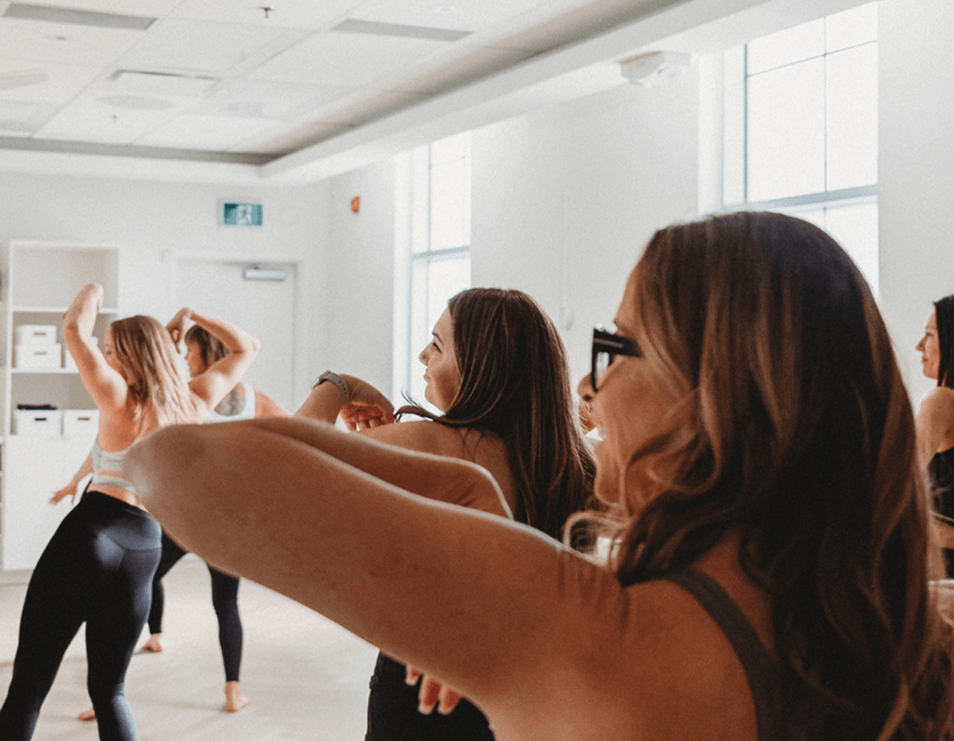
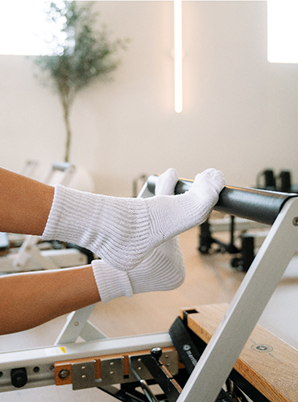
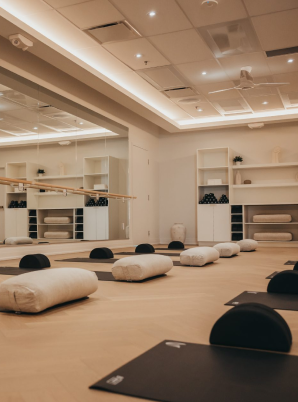
2. Don’t overlook your pelvic floor. Your pelvic floor supports your bladder, bowel and reproductive organs, and plays an important role in core stability and everyday movement. Hormonal changes, pregnancy, childbirth and ageing can all influence pelvic floor function. Appropriately guided exercises can help improve strength and function. Movement programs designed around women’s changing bodies, including pregnancy, postpartum and postmenopause, can also provide valuable support. At ClubWell, our Pre & Post Pilates program focuses on deep core strength, pelvic floor function, posture and supportive movement through different stages of a woman’s life. We also offer EmSella, a non-invasive treatment that uses electromagnetic stimulation to activate pelvic floor muscles. A consultation can help determine whether this type of treatment is appropriate for your individual needs.
3. Prioritize sleep and mental well-being. Sleep is not a luxury, especially during periods of hormonal change. Establishing a consistent sleep routine above all else, keeping your bedroom cool, getting regular movement and finding ways to manage daily stress can all support better rest. Just as importantly, make space for your mental health. Yoga, mindfulness, time outdoors, meaningful connection and professional support when needed can help you navigate changes in mood and emotional well-being. If anxiety, low mood or changes in your mental health are interfering with daily life, speak with a healthcare professional. You don’t need to wait until things become overwhelming to ask for help.
4. Pay attention to nutrition and preventative health. A balanced diet with adequate protein, calcium and vitamin D supports muscle and bone health. Fruits, vegetables, fibre and healthy fats also contribute to overall cardiovascular and metabolic health.
Menopause: A few things worth knowing
There is still a lot of misinformation surrounding menopause. Let’s clear up a few common misconceptions.
MYTH: Menopause only happens in your 50’s.
FACT: The average age is around 51, but perimenopause can begin years earlier. Some women experience early or premature menopause, which deserves medical attention.
MYTH: Hot flashes are the only real symptom.
FACT: Menopause can affect sleep, mood, memory, bones, muscles, skin, sexual health and urinary function. Some women experience symptoms that have very little to do with hot flashes.
MYTH: You just have to live with the symptoms.
FACT: There are evidence-based treatments and supportive lifestyle approaches available. You deserve to understand your options and make decisions with the right healthcare team. You are allowed to feel good, in every chapter of your life.
MYTH: Once your periods stop, menopause is over.
FACT: Menopause is a milestone, but postmenopause is a lifelong stage. Bone, cardiovascular, pelvic and overall health continue to need attention.
Wherever you are in life, your wellness should meet you there.
And if you have made it this far, maybe you’re in your twenties and just beginning to understand your hormones. Maybe you’re in your forties and noticing changes you can’t quite explain. Or perhaps you’ve been postmenopausal for years and are discovering that your body has different needs today.
Wherever you are, the conversation should never be too late or too early.
At ClubWell, we believe women’s wellness should evolve alongside you. Our needs change throughout our lives, and the support available to us should reflect that. From movement and strength to pelvic health, massage therapy and restorative care, looking after yourself isn’t about following one routine forever. It’s about understanding what your body needs in each season.
Because education is where better decisions begin. The more we understand our bodies, the more confident we become in caring for them. And that’s something every woman deserves, at every age.
Stay WellWithin and join us in Pre & Post Pilates.
Sources
- Canadian Menopause Society — Definition and stages of menopause and Menopause symptoms.
- World Health Organization — Menopause: fact sheet.
- Society of Obstetricians and Gynaecologists of Canada — Menopause treatment guidelines.
- Canadian Menopause Society: Diagnosis and Management.
- ClubWell: Intimate and Pelvic Health