

Have you ever felt tired but wired, overwhelmed by tiny things, unable to shut your brain off, or like your body is constantly holding tension Your nervous system may be part of the conversation.
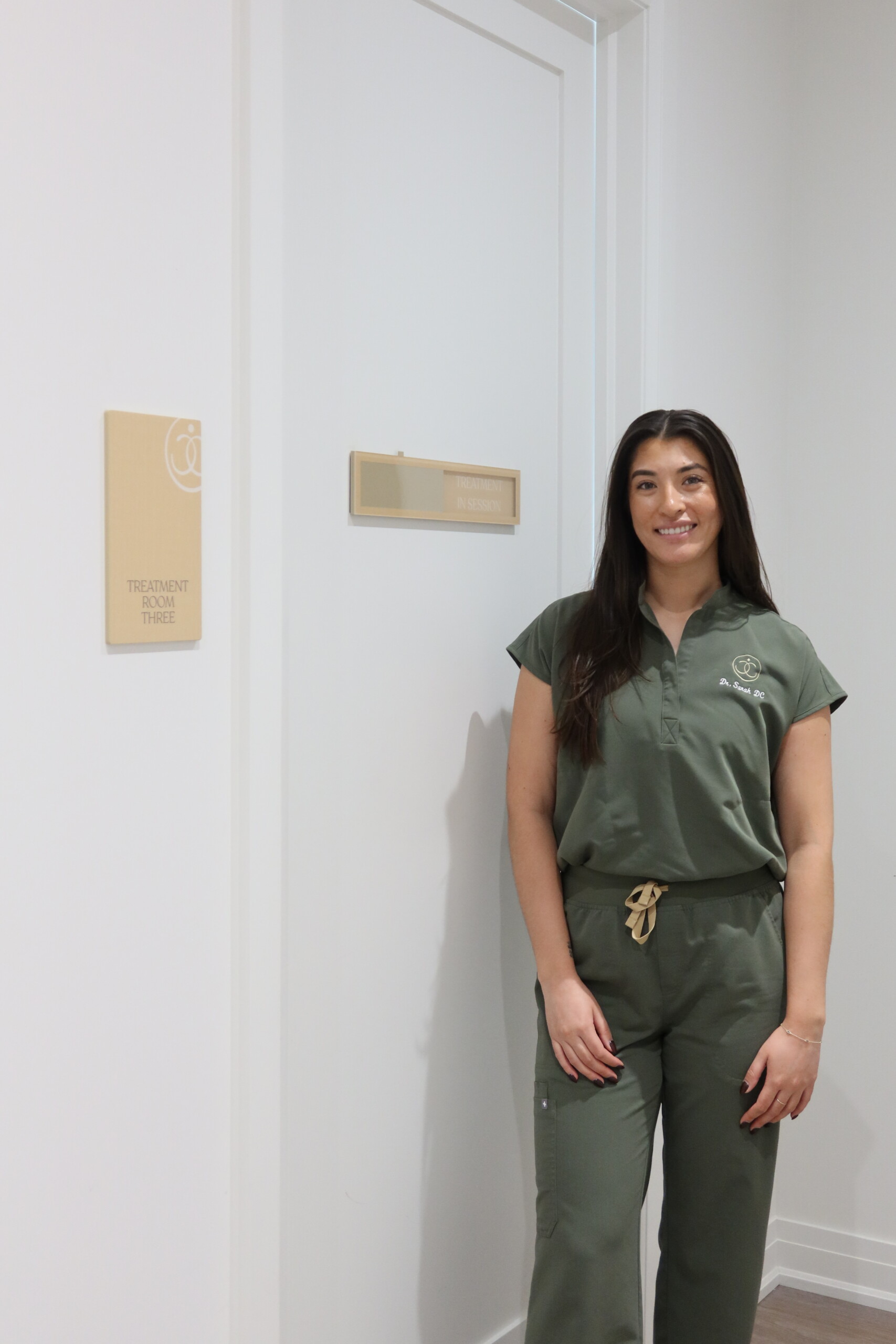
We sat down with Dr. Sarah Blunt, BSc (Hons), DC, to break down what nervous system regulation really means and what you can do to support it, both inside and outside the treatment room.
First: What Is Nervous System Regulation?
Your nervous system is constantly taking in information from the world around you and from inside your body. Am I safe? Do I need to react? Can I relax and recover?
A big part of this happens through your autonomic nervous system, or ANS. This is the part of your nervous system that helps control automatic functions like:
- Heart rate
- Breathing
- Digestion
- Blood pressure
- Sweating
- Recovery
Two important sides of this system are your:
- Sympathetic nervous system: think GO MODE.
- Parasympathetic nervous system: think REST + RECOVER MODE.
Neither one is bad. A healthy nervous system isn’t calm 24/7. The goal is for your body to respond when needed and settle back down when the demand is over. Think: GO → RECOVER → GO → RECOVER
Sympathetic: Your “Fight or Flight” System
This is the system that makes your heart pound and your muscles tighten when you almost get into a car accident. You also rely on it when you’re strength training, working toward a deadline or speaking in front of people.
The issue isn’t that it turns on. The problem can happen when your body has a hard time coming back down. You might notice:
- Feeling anxious or constantly on edge
- Tight shoulders, jaw or ongoing muscle tension
- Headaches
- Difficulty sleeping or feeling “tired but wired”
- Difficulty concentrating or feeling more sensitive to stress
Parasympathetic: Your “Rest + Recover” System
When this side is more active, your heart rate slows, your breathing calms and your body shifts toward digestion and recovery. The goal isn’t to stay here all day. We want your nervous system to be adaptable.
So, Where Does Chiropractic Care Fit In?
Your brain is constantly receiving information from your joints and muscles, and pain, stiffness and tension are all part of that information. Pain itself can be stressful. When you’re guarding an area or moving differently all day, it’s much harder to feel relaxed.
Chiropractic care addresses part of that physical picture, focusing on:
- Joint mobility
- Pain and muscle tension
- Movement patterns
- Headaches
- Feeling stiff or restricted
- Comfort during everyday activity
- Proactive care and longevity
Research has looked at whether spinal manipulation (adjustments) can create short-term changes in measures like heart rate variability (HRV), but the science is still developing, so we can’t say an adjustment simply “turns off fight or flight.”
What we can say is that your musculoskeletal and nervous systems are closely connected. When we decrease pain and improve movement, we’re addressing one source of physical stress your nervous system may be responding to.
What About Acupuncture?
Acupuncture is another tool I love incorporating when it fits the person in front of me. In Traditional Chinese Medicine, acupuncture involves stimulating specific points throughout the body using very fine needles. From a TCM perspective, those points are chosen based on the individual and the pattern we’re trying to address. From a modern nervous-system perspective, acupuncture also provides sensory input through the skin, muscles and nerves.
Some studies have found short-term changes in heart rate and HRV after acupuncture, though exactly how it affects the nervous system is still being researched. Depending on the person, it can support pain, tension, relaxation, sleep and recovery.
The most common reaction I hear after treatment? “I feel like I could take a nap right now.” That doesn’t mean we’ve magically “reset” anything, but it can be a sign your body feels more settled.
Your Treatment Is Only Part of the Picture
What you do between appointments matters, too.
Try Slow Breathing. Slow, controlled breathing can influence your heart rate and HRV, and it gives you a simple tool to use when you feel physically tense or overstimulated. Try to inhale for 4 seconds, exhale for 6 seconds, and repeat for 2 to 5 minutes.
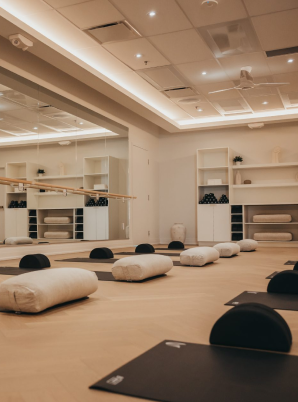
Keep your body moving. Yoga and mobility work support body awareness, breathing and recovery. You don’t need to be the most flexible person in the room, just give your joints and muscles regular movement.
Build strength. Your nervous system needs to experience that your body is capable. Strength training builds your body’s ability to tolerate load, which is especially helpful when working on pain or injuries. Treatment helps get you moving. Strength helps keep you moving.
Recover. You cannot out-adjust, out-acupuncture or out-exercise four hours of sleep a night. Sleep enough, eat consistently, stay hydrated, get outside, see people you enjoy, and actually take days off sometimes. Your nervous system is dealing with your whole life, not just what happens during your appointment.
The Big Picture
Nervous system regulation isn’t about being relaxed all the time. It’s about helping your body move well between GO and RECOVER. Your nervous system isn’t something you need to “fix.” The goal is to support its ability to adapt, recover and respond when you need it to.
Sometimes, taking care of your nervous system is as simple as giving your body the information that it’s safe to slow down.
This post is for general educational purposes and is not intended to diagnose or treat a medical condition. Chiropractic and acupuncture recommendations vary based on the individual and clinical presentation.
Book an appointment with Dr. Sarah Blunt, BSc (Hons), DC at ClubWell: here